
Dulles corridor · Loudoun County, Virginia
House Painters in Dulles, VA
Your house has been painted once — by the builder, fast, in flat. The first repaint is a different job, and doing it properly is mostly about what happens before the paint goes on.
200+ five-star Google reviews 5-year written warranty Licensed in VA · MD · DC
Repairs refastened & primed
Sheen chosen per room
BBB A+ Rated
PCA Member
5-year written warranty
Almost everything in the Dulles corridor is new. Eastern Loudoun County built out through the 2000s and 2010s and is still building, which means the typical house here is somewhere between five and twenty-five years old and has been painted exactly once — by the builder, on a production schedule, before anybody moved in.
That single fact shapes nearly every job out here. A first repaint is a different piece of work from a second, and most of what goes wrong is a consequence of what was there before.
What your builder actually painted your house with
Builder-grade paint is a specification, not an insult. It is formulated to cover in one or two coats, dry fast enough to keep a schedule moving, and look uniform on handover day. It is not formulated to last.
Handover
One or two thin coats of builder flat, one color throughout.
6–12 months
The house settles. Nail pops, seam cracks and split caulk appear.
Years 3–7
Coating reaches end of service life. Marks, burnishing, fade.
First repaint
Repair, prime, two coats, sheen per room.
Roughly three to seven years of service life in a normally occupied house, against eight to twelve or more from a premium product. If your house is coming up on its first decade and the walls mark easily and cannot be cleaned, nothing has gone wrong — the coating has reached the end of what it was specified to do.
Nail pops, seams and settlement cracks
The defining defect of newer Loudoun housing, and not a sign of a badly built house: framing dries and shrinks for years, fasteners back out slightly, and a small dome of compound lifts off the wall. How the repair is done is what separates a repaint that holds from one that reappears.
How it usually gets done
Color continuity is usually enforced, so the street reads as one composition — narrowing choice further than the vinyl palette already does.
Cracked seam spotted rather than re-taped
Repair painted over with no primer
Split builder caulk painted straight over
Same pops return within a year, patches ghost through
How we do it
Fastener reset with a new screw beside it, then filled
Seams and corner bead properly re-taped
Every repair primed before the finish coat
Trim, baseboard and crown recaulked first
And we tell you up front if more movement is still to come
Choosing sheen the second time around
The single biggest upgrade available on a first repaint, and it costs almost nothing. Your builder used flat almost everywhere. You should not.
Flat
Ceilings only. Nothing touches them and it hides everything.
Matte
Adult bedrooms and formal rooms. Low sheen, takes a wipe.
Eggshell
Hallways, stairwells, family and kids' rooms — the walls that get touched.
Satin
Kitchens, bathrooms, laundry. Moisture and cleaning both.
Semi-gloss
Trim, doors and railings, in a waterborne enamel.
The trade-off: higher sheen shows more of the wall behind it. On builder drywall, jumping straight to satin in a long hallway can highlight every seam — a judgment call we make with you on site rather than by rule.
Open-plan houses: where does a color stop?
Floor plans out here are open — kitchen into breakfast into family room, two-story great rooms, hallways that never meet a door frame. Which raises a question older housing never poses: if you want two colors, where does one end?

The only workable boundaries are physical ones: an inside corner, a cased opening, a soffit or tray edge, or a change in ceiling height. A color change on a flat continuous wall always reads as a mistake.
Stop at an inside corner. Reads as deliberate. Mid-wall never does.
Stop at a ceiling break — a soffit, tray edge, beam or change in height.
Stop at the trim. A cased opening gives a clean edge even without a door.
Or don't stop at all. Often the right answer is one wall color across the connected floor, with the interest carried by trim, ceilings and an accent wall in a room that genuinely closes.
Two-story family rooms add their own constraint: the upper wall needs a rolling tower or scaffold, and it is not somewhere to touch up later. Whatever goes up there wants to be right first time.
Exteriors around Dulles
Newer construction here leans on fiber cement and composite trim rather than the vinyl that dominates older subdivisions.
Fiber cement
Excellent substrate, long paint life, and no color restriction — unlike vinyl it does not warp under dark colors. Factory finishes chalk, so it needs washing, and a color change over a dark body needs the right primer.
Mixed front elevations
The Loudoun standard: stone or brick on the front, siding on the returns and rear. Usually we paint the siding, trim and shutters and leave the masonry alone.
Composite and PVC trim
Common on newer builds, needs a coating that tolerates movement, and usually the first thing to look tired because builders paint it thin.
Decks and fences
Often still on the original builder stain and well overdue.
Communities we work in around Dulles
Dulles is a postal area rather than a town, so the practical boundary is wider than the zip code.
Our painting services around Dulles
Interior painting
Walls, ceilings, trim and doors.
Drywall repair
Nail pops, seams, corner bead, settlement cracks.
Carpentry & pre-painting prep
Recaulking, trim repair, surface preparation.
Cabinet painting & refinishing
The fastest way to date-proof a builder kitchen.
Exterior painting
Fiber cement, composite trim and siding.
Deck staining & painting
Decks, rails and fences.
Power washing
As prep, or on its own.
Color consulting
Useful when replacing one builder color across a whole floor.
Wallpaper installation & removal
Including accent and feature walls.
What a first repaint actually involves
So you can see where the time goes, and why a proper first repaint is not the same price as a refresh.
Walk and mark
Room by room — every nail pop, cracked seam and split caulk goes in the estimate rather than being discovered later.
Repairs
Refasten, re-tape, sand, recaulk.
Prime the repairs
And any bare drywall. This is the step that gets skipped.
Two coats
In the sheen agreed per room, not one sheen throughout.
Trim and doors last
In a waterborne enamel.
Walkthrough
With the lead who quoted the job.
A main floor is typically three to five working days; a whole house one to two weeks, depending on size and how much repair the walk turns up.
Recent projects around Dulles
Real houses, real streets.
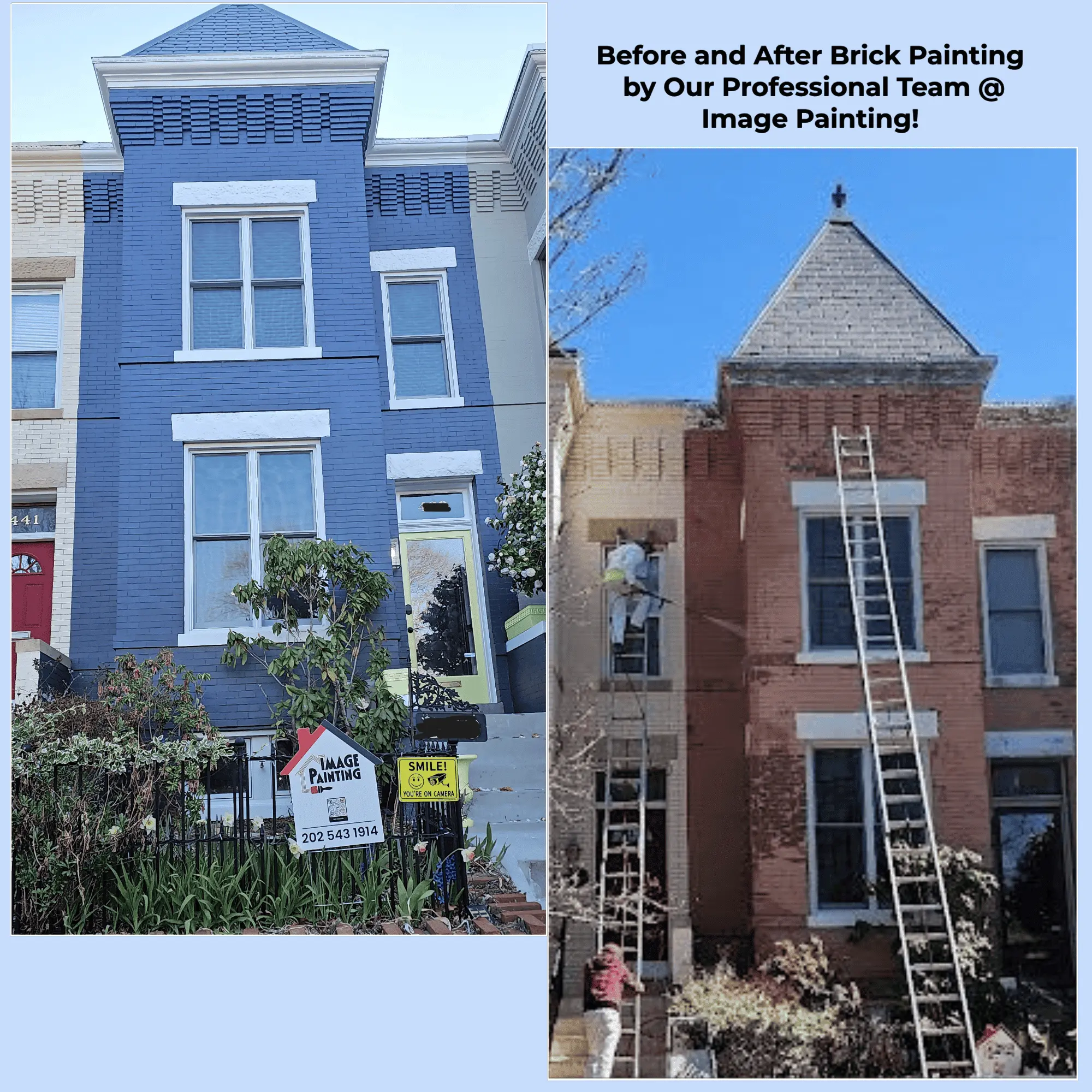
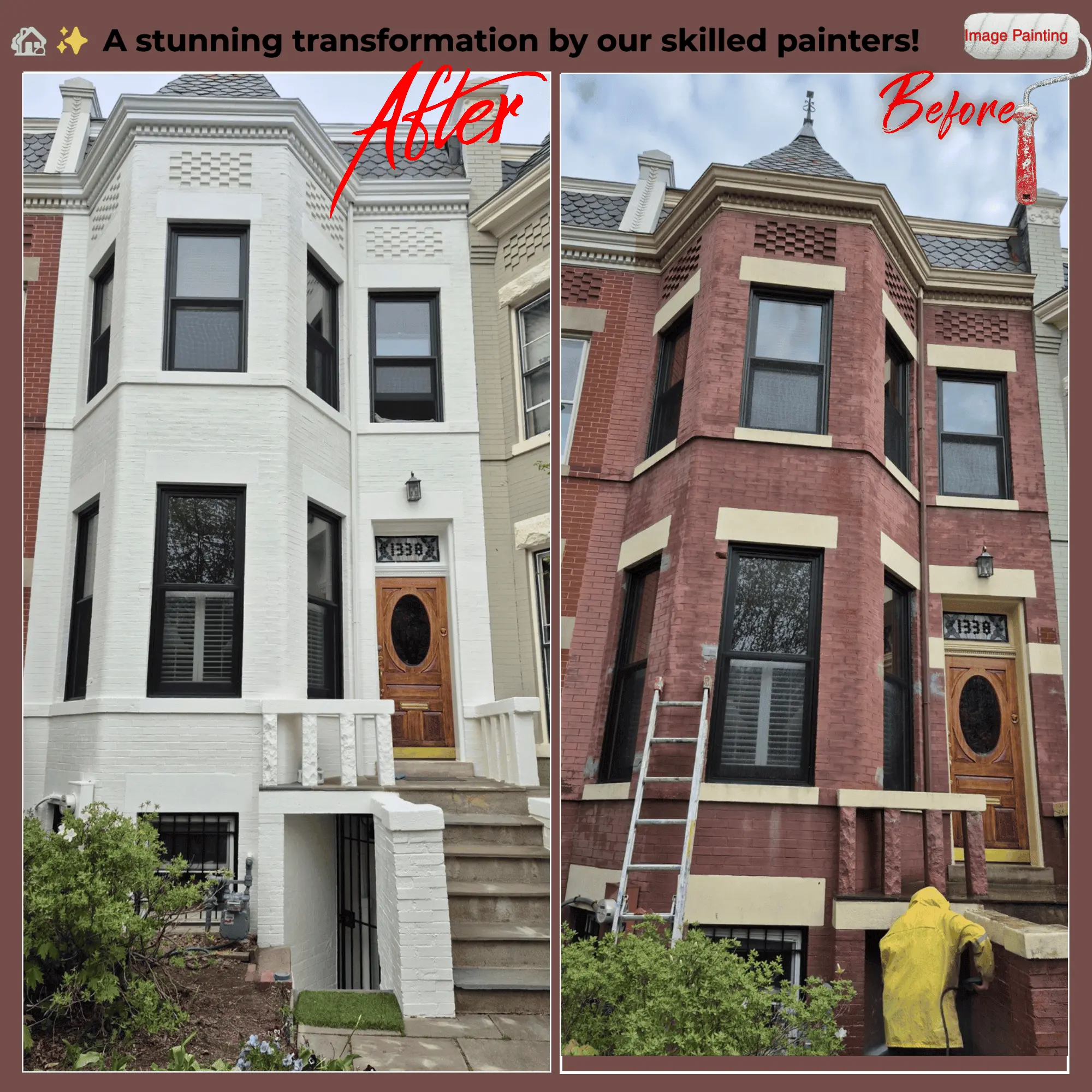
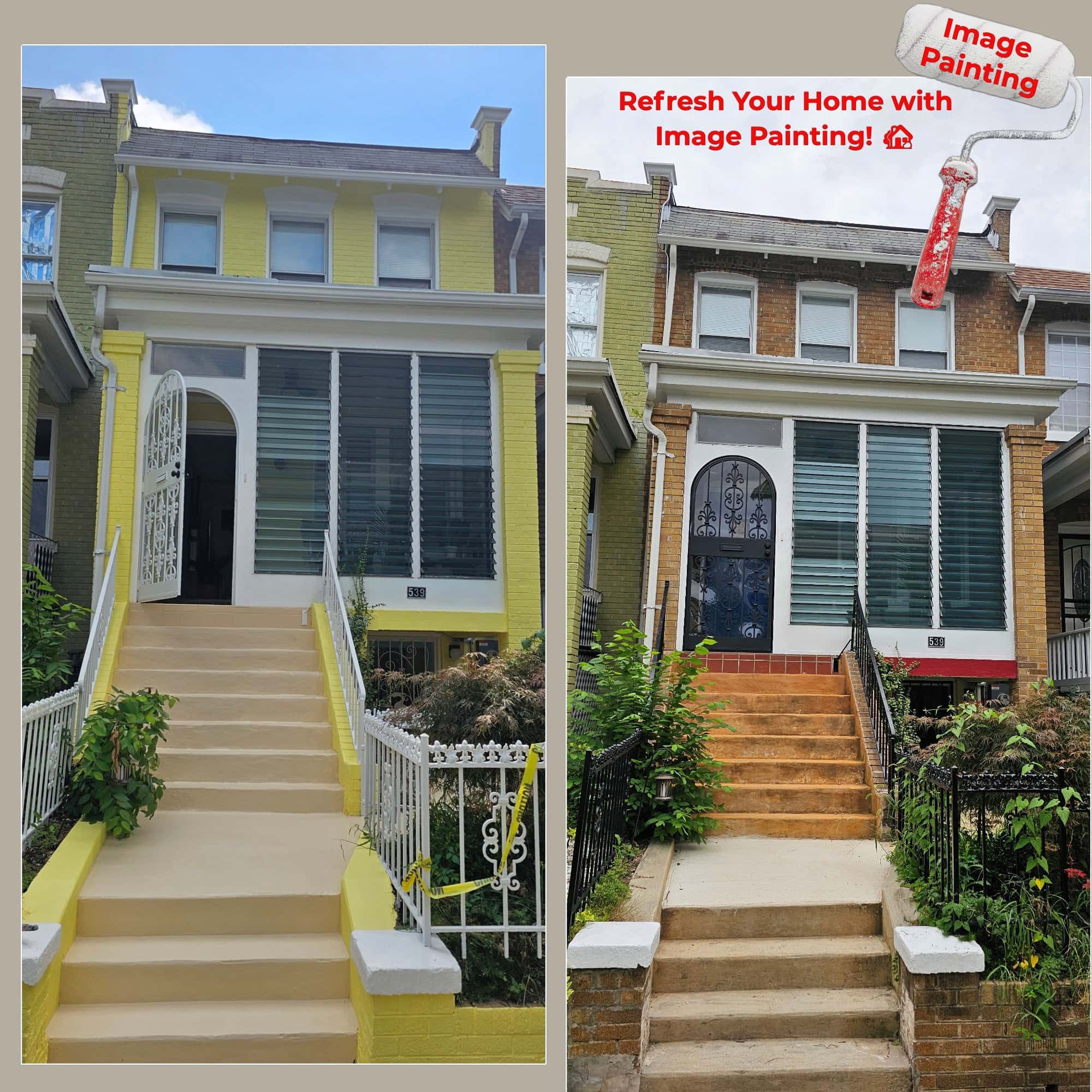
200+ 5-Star Reviews on Google




Frequently asked questions
Get a free Dulles-area painting estimate
Tell us the community, roughly when the house was built, and what is bothering you about the walls. We'll walk it, mark the repairs, and give you a written, itemized number.
Repairs refastened, re-taped and primed — not skimmed over
Sheen chosen per room, not one flat everywhere
Five-year written warranty